
What to know
Ask how they create suction on the system
This is the question that matters most and the one least often asked. Proper cleaning puts the whole duct system under controlled negative pressure — a strong, steady vacuum applied to the ductwork itself — while tools work through the runs loosening what has settled.
Without that, debris loosened in a run has nowhere to go but further along the system or back into the room. If the answer involves a portable vacuum at each register and nothing else, you are buying vent cleaning, not duct cleaning.
Ask how many access points they will make
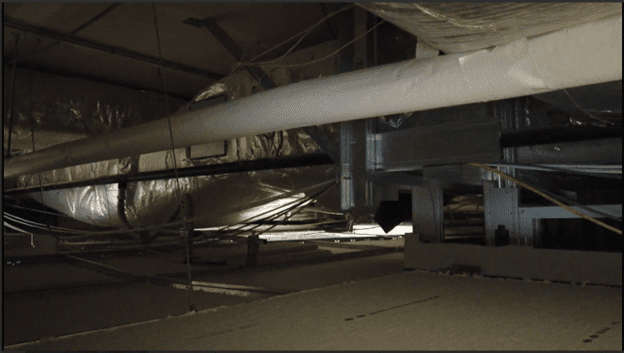
Reaching a duct system properly usually means opening it in more than one place, and closing those openings correctly afterwards. A company that plans no access points is working entirely through the registers.
It is also worth asking how the openings get sealed when they finish, because that is a detail that separates careful work from quick work.
Ask whether the return side is included
The return side is where accumulation shows up first, particularly in homes with pets, and it is the half most often quietly left out of a cheap quote.
If the price covers supplies only, that is not necessarily wrong — but you should know it before the van arrives rather than after.
Ask to be shown your own ductwork
Before-and-after images of your system, not a stock photograph of somebody else's. Any company doing genuine work can produce these, and it costs them nothing to offer.
Reluctance at exactly this point is the most useful signal you will get all conversation.
Ask what the price includes, and what would be extra
- How many vents and runs are covered by the quoted figure.
- Whether the return side, the main trunk and the registers are all included.
- What happens if they open it up and find something unexpected.
- Whether the scope goes in writing before work starts.
- How long they expect to be there and how many people are coming.
The answer that tells you most
Somewhere in a good conversation, the company will tell you about something you do not need. It is the least profitable sentence available to them, which is exactly why it is worth listening for.
That is how we would rather work: look first, show you what is there, and give you the version we would want if it were our own house.