When a duct run has corroded or lost its integrity, cleaning cannot bring it back. Sealing coats the interior to restore a sound surface without tearing out the ductwork.
The duct interior is cleaned and prepared, then a coating is applied to the inside surface of the run, forming a continuous lining over the existing metal. It is done in place, through the existing access points, so the ductwork does not have to be dug out or replaced.
It is the right answer for runs that have corroded or deteriorated rather than simply become dirty. An inspection establishes which of those you are looking at.
Cleaning removes debris. Sealing restores the surface.
These are different problems. A dirty duct has material in it that can be taken out. A deteriorated duct has lost the surface it needs to move air cleanly, and no amount of cleaning replaces that.
Rust and corrosion visible on the interior of the run
Ductwork that has deteriorated with age rather than simply collected dust
Runs where replacement would mean opening floors, walls or slab
Systems where an inspection has already established the condition
From our own jobs
Runs we have coated
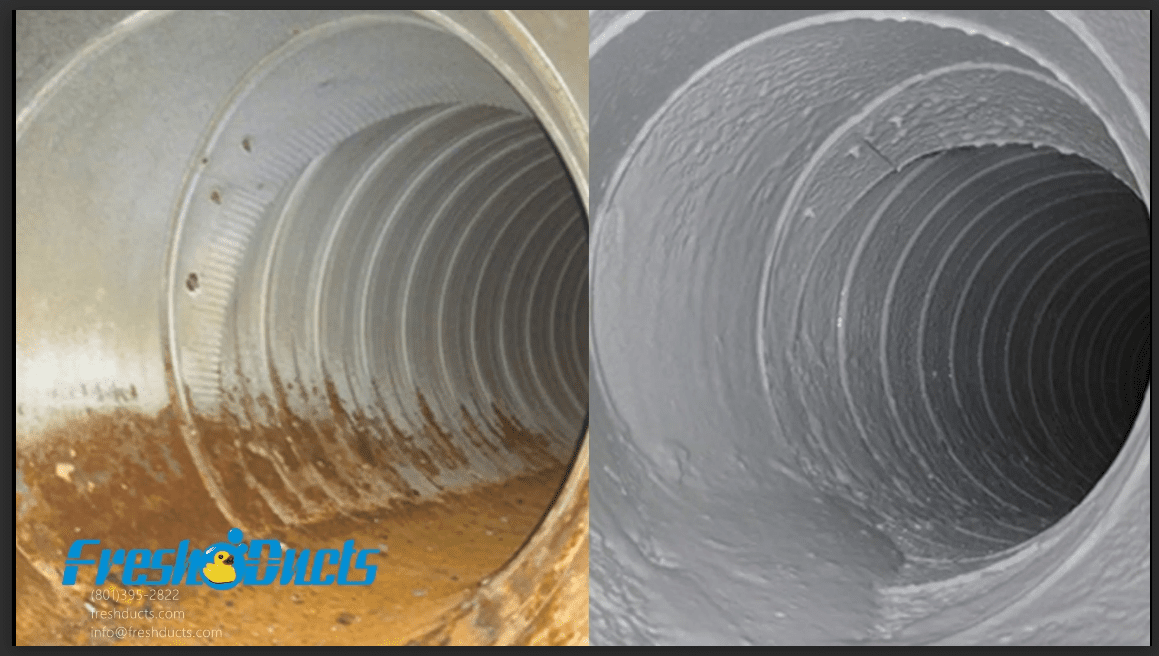
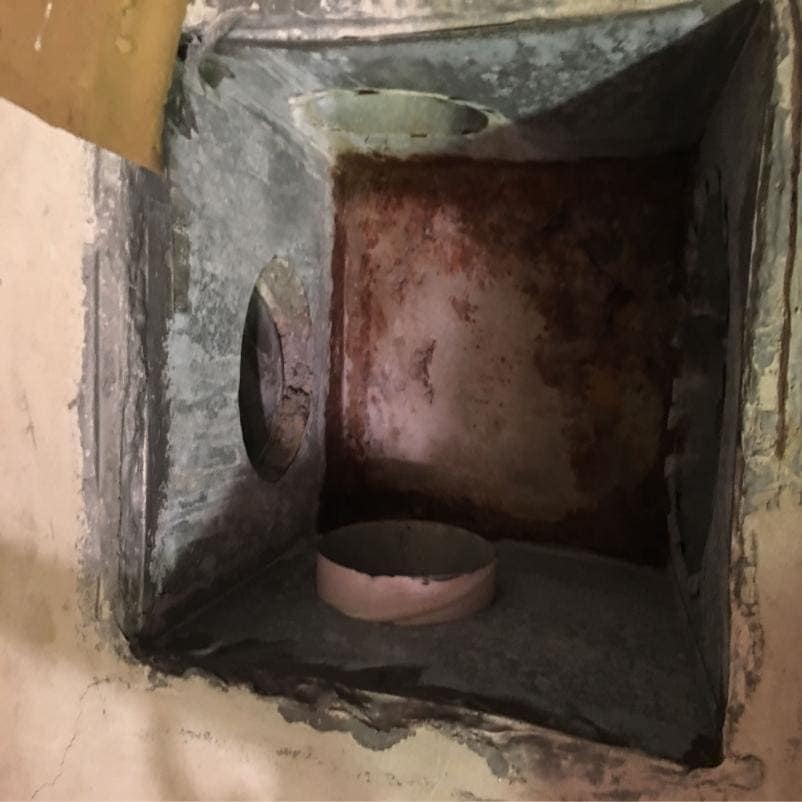
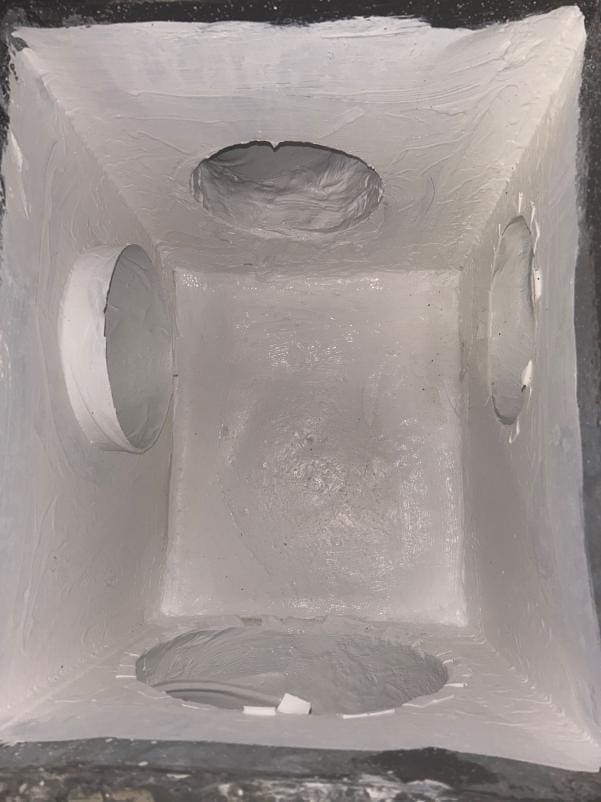
Before: a plenum with heavy corrosion across the back wall and floor.After: the same plenum, coated across every surface and branch opening.A round run shown either side of the same work.Preparation matters: the run is cleared before anything is applied.The same run prepared and ready for coating.A finished run with the floor of the duct clear.
Know exactly what you get
What a sealing project covers
Included
Inspection of the run to confirm sealing is the appropriate work
Cleaning and preparation of the duct interior before any coating
Application of the coating to the interior surface of the run
Work carried out in place through existing access points
A walkthrough of the finished run before and after
Not included
Replacing ductwork, which is a different job for a different trade
Sealing exterior joints or wrapping duct from the outside
Mould testing, identification or remediation
Furnace, air handler or refrigerant work
Any run where an inspection shows the duct is beyond restoring
Asbestos-containing materials, which need a licensed abatement contractor
How we price it
A custom estimate, because every system is different
01
Length of run to be treated
Sealing is priced by the extent of the ductwork being restored, not by property size.
02
Condition found
Heavier deterioration means more preparation before any coating goes on.
03
Access
The number and position of usable access points changes how the work is staged.
04
System layout
Branch count, takeoffs and plenum size all affect the surface being covered.
05
Preparation required
A run that needs thorough cleaning first is a longer project than one already clear.
What sealing is, and what it is not
Duct sealing restores the interior surface of ductwork that has deteriorated. The run is cleaned and prepared, then a coating is applied to the inside, forming a continuous lining over the existing metal. Because the work happens in place through existing access points, a system buried in a slab or under a floor can be restored without excavation.
It is not a substitute for cleaning
A duct that is simply dirty needs cleaning, not sealing. Sealing is for runs that have corroded or deteriorated to the point where the surface itself is the problem. An inspection is what tells the two apart, and we will not recommend sealing for a system that only needs a clean.
It is not a repair for structural damage
Runs that are crushed, collapsed or disconnected need mechanical repair or replacement. Coating the inside of a duct that has lost its shape does not restore it, and we will tell you when that is what we have found rather than take the work.
Deciding whether it is worth doing
The honest comparison is against replacement. Where ductwork is accessible and straightforward to replace, replacement may be the better long-term answer and we will say so. Where the run is under a slab, behind finished surfaces, or otherwise expensive to reach, restoring it in place is usually the more sensible option. The inspection gives you both sides of that.
Common questions
Duct sealing questions
How do I know whether I need sealing or cleaning?
An inspection settles it. If the run holds material that can be removed, it needs cleaning. If the interior surface itself has corroded or deteriorated, cleaning will not bring it back and sealing is the conversation. Most systems need one or the other, not both.
Does the ductwork have to come out?
No. The work is done in place through the existing access points, which is the reason it exists as an option. Runs under a slab or behind finished surfaces can be restored without opening the building up.
How long does a project take?
It depends on the length of run being treated, the condition found, and how much preparation is needed first. The inspection gives you a realistic timescale before you commit to anything.
What does it cost?
It is priced by the extent of ductwork being restored rather than by property size, so a specific number needs an inspection. We do not publish a figure because the range between a single deteriorated run and a whole system is very wide.
Is sealing always the right answer?
No. Where ductwork is accessible and straightforward to replace, replacement may be the better long-term choice, and we would rather tell you that than sell you a coating. Sealing earns its place when reaching the duct to replace it would be disruptive or expensive.
What happens to the debris already in the run?
It is cleaned out first. Preparation is part of the work, and nothing is applied over material that should have been removed.