We walk the system
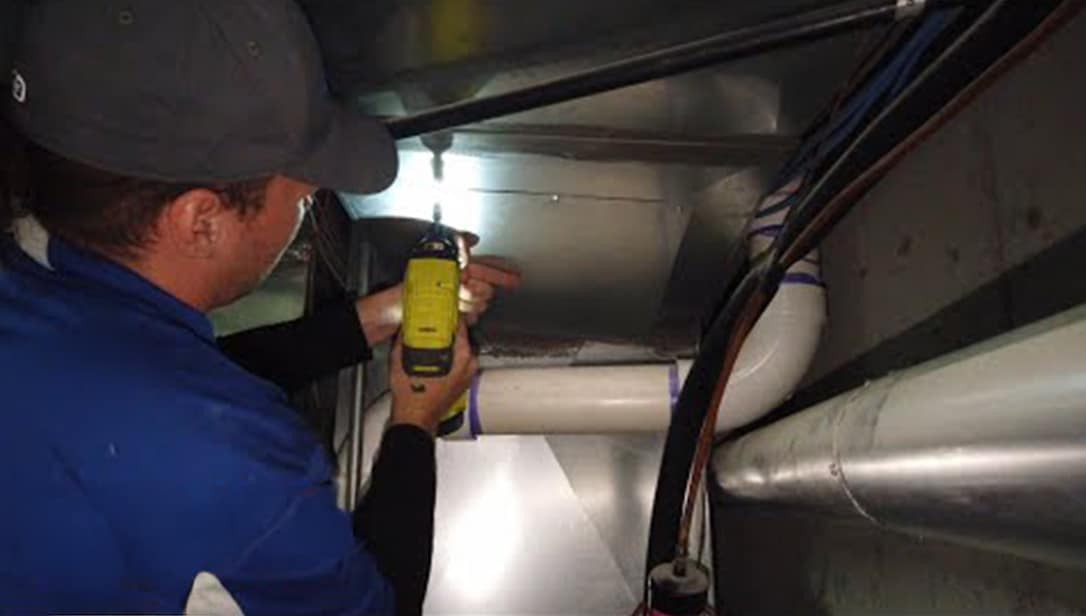
Supplies, returns, the equipment connections and any accessible runs, noting how the system is laid out.

Air duct inspections
A camera inside your ductwork and a straight account of what is there. Often the answer is that you do not need cleaning, and that is a perfectly good outcome.
The short answer
A technician opens the accessible points of your duct system, looks inside with a camera where access allows, and reports what is actually there: how much has accumulated, how the system is laid out, where it has been altered, and whether anything is damaged or disconnected.
It is a diagnostic, not a sales visit. Plenty of inspections end with us telling a homeowner their system is fine and they do not need us.
Where inspections lead
| Criteria | Usual next step | Why |
|---|---|---|
| Accumulated dust and debris in accessible runs | Air duct cleaning | There is material to remove and it is reachable. |
| Construction debris after a remodel | Air duct cleaning | Drywall and flooring dust entered the system while it ran. |
| Corroded, rusted or deteriorating duct | Duct sealing | Cleaning cannot restore a duct that has lost its integrity. |
| Disconnected or crushed runs | HVAC contractor | This is mechanical repair rather than cleaning. |
| Uneven airflow with a clean system | HVAC contractor | Points at design, sizing or equipment, not at dirt. |
| Long drying times on the laundry side | Dryer vent cleaning | A separate run from the HVAC ductwork. |
| Damp, staining or suspected mould | A qualified assessor | We do not test for or identify mould, and cleaning does not address moisture. |
| Nothing significant | Nothing | A system in good order does not need work, and we will say so. |
On the day
Half an hour to an hour for most homes, and you are welcome to follow the technician around.
Supplies, returns, the equipment connections and any accessible runs, noting how the system is laid out.
Where the system allows, so the camera can see inside rather than guessing from a register cover.
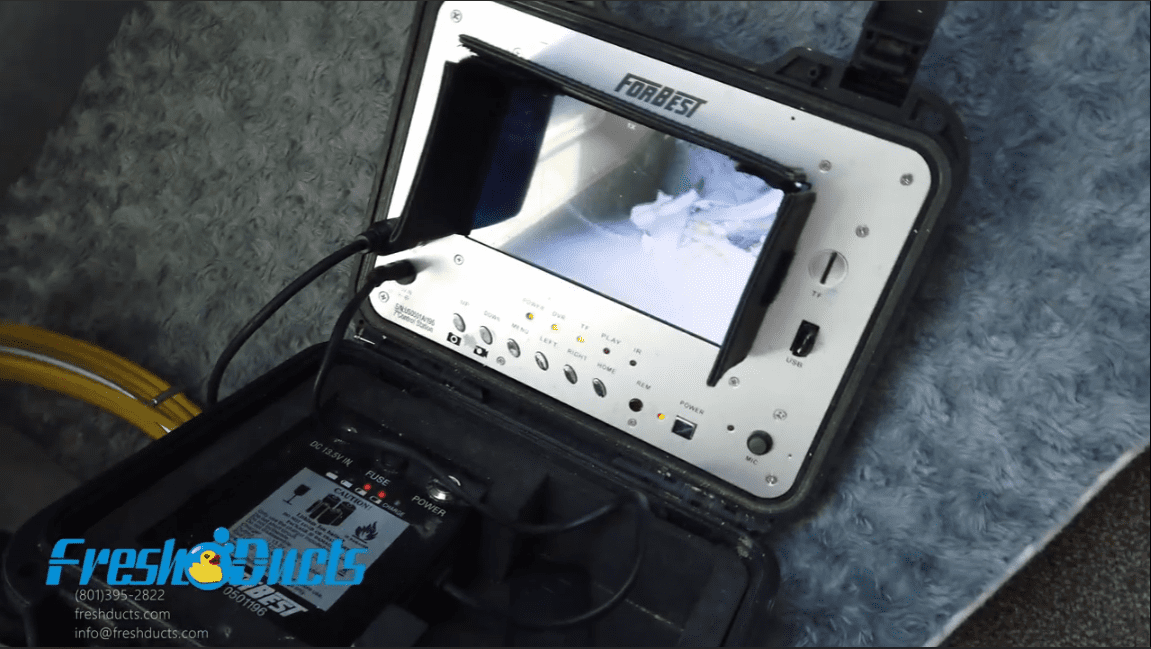
The live view is the same one we are looking at, and we will pause on anything worth talking about.
What is there, what it points to, and what it would cost if you want the work. No pressure to decide on the spot.
Know exactly what you get
From our own jobs
Not sure what you are dealing with?
The inspection is free and carries no obligation to book work.
Quoting duct work without looking inside means guessing, and guesses in this industry run one direction. A price given over the phone has to assume the worst, or it has to grow once someone is standing in your basement. Neither is a good way to buy.
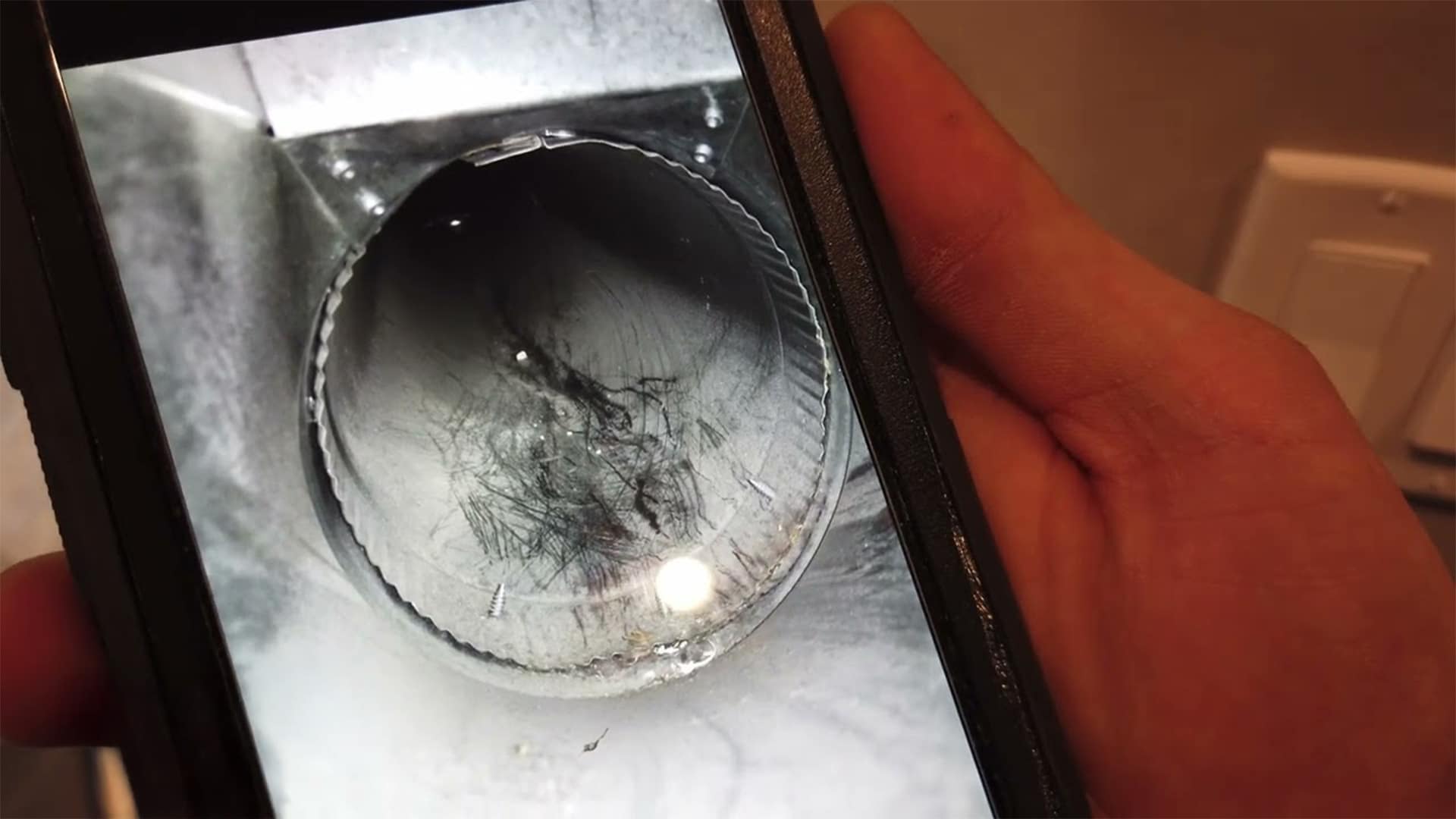
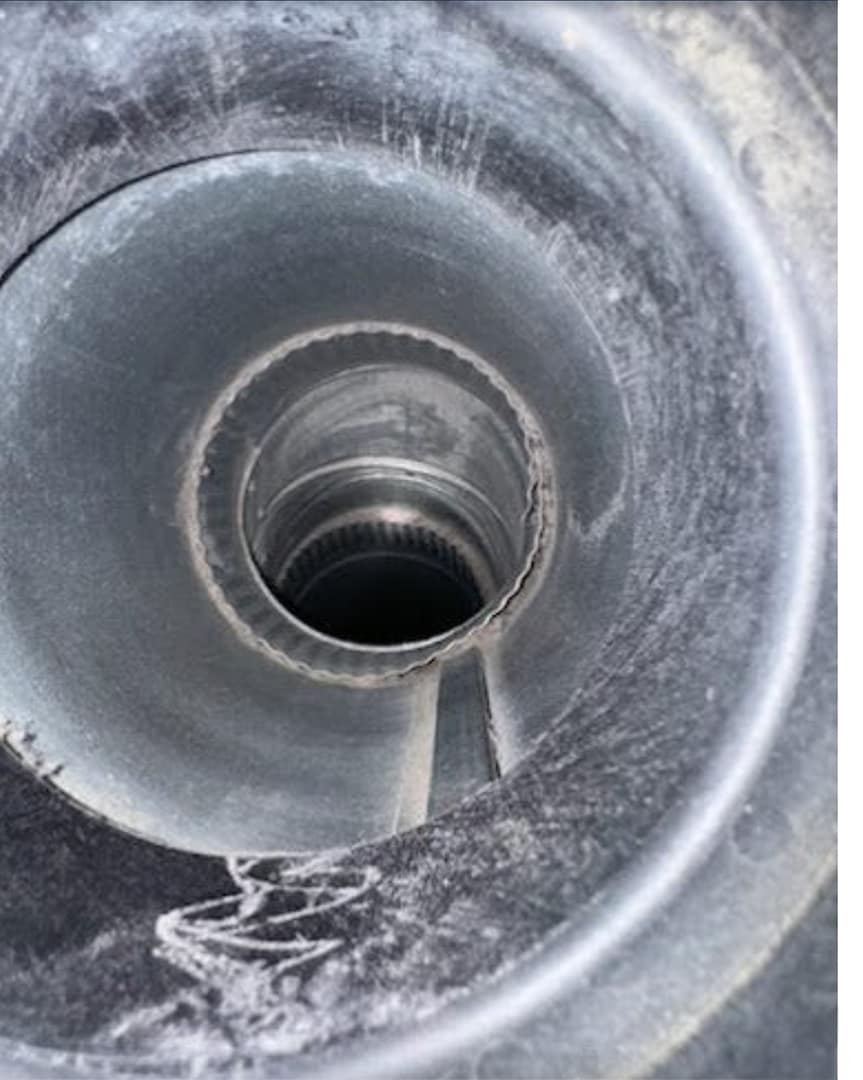
Dust on a register cover tells you almost nothing about the system behind it. A camera in the run tells you whether there is accumulation worth removing, how far it extends, whether the duct is intact, and whether anything has been altered or disconnected since the system was installed. That is the difference between a scope and a sales pitch.
We do not test for mould, and we will not identify it from a photograph. If we see staining or damp that concerns us we will show you and recommend someone qualified to assess it, because cleaning does not address whatever moisture allowed it to grow. We also do not measure airflow or test for duct leakage, both of which need instruments and a different trade.
After buying a house, when nobody knows the service history. After a remodel that ran the system through construction. When dust returns faster than it should after cleaning. When one room never behaves like the others. Or simply when it has been long enough that you would rather know than wonder.
Common questions
Yes, and there is no obligation to book work afterwards. We would rather you knew the state of your system than paid us to clean something that did not need it.
Half an hour to an hour for most homes. Larger properties, multiple systems and difficult equipment access take longer. If we need more than that, we will tell you before we start.
No. We do not test for mould, identify it, or remediate it. If we see something that concerns us we will show you and point you toward someone qualified to assess it. Any company that diagnoses mould from a glance is not doing you a service.
Not if you do not. A meaningful share of our inspections end with us saying the system is in reasonable condition and there is nothing worth doing right now. That answer costs you nothing and tends to be why people call us back later.
No. Airflow measurement, static pressure and duct leakage testing need instruments and a different trade. If your symptom points that way we will say so and you will know what to ask for.
It helps. The most useful part of an inspection is usually the conversation at the end, and you are welcome to follow the technician around and look at the screen while we work.